TL;DR
- AI competitor benchmarking shows how your brand performs against competitors inside AI-generated answers.
- The best benchmark includes visibility score, brand ranking, share of voice, mentions, citations, sources, sentiment, and prompt performance.
- Choose competitors that buyers actually compare with your brand.
- Benchmarking should happen across platforms, prompts, and time.
- Hema AI helps teams monitor competitor movement from one dashboard.
“Competitor visibility shows where buyer attention is already going. Use that signal to decide which prompts, sources, and pages to improve next.”
Why AI Competitor Benchmarking Matters
AI search is becoming a new place where buyers compare brands.
They ask:
“What are the best tools for this?” “Which brand is better?” “What are the alternatives?” “Who are the top providers?” “What should I buy?” “Which company is trusted?”
The answer may include your brand, competitors, or only competitors.
That is why AI competitor benchmarking matters.
It helps you understand whether your brand is part of the AI decision journey.
Without benchmarking, visibility data is incomplete.
You may know that your brand appears, but you may not know whether competitors appear more often or with stronger sentiment.
Step 1: Choose the Right Competitors
Competitor benchmarking starts with the right competitor set.
Choose competitors that:
buyers compare against you appear in your category serve similar customers rank in traditional search show up in AI answers have strong third-party sources own important prompts
Do not include too many competitors at the start.
Start with 3 to 5 key brands.
This makes the benchmark easier to interpret.
You can expand later.
Step 2: Define Your Prompt Set
Your benchmark is only as good as your prompts.
Include prompts across the buyer journey.
Category Prompts
Best [category] tools Top [industry] platforms Best [service] providers
Comparison Prompts
[Brand] vs [competitor] Alternatives to [competitor] Best tools like [competitor]
Problem Prompts
How to solve [problem] Best platform for [use case] How to track [metric]
Industry Prompts
AI visibility for SaaS Best fintech platforms Healthcare provider recommendations
This creates a broader view of competitor presence.
Step 3: Track Ranking and Visibility
Next, track how brands appear.
Measure:
visibility score brand ranking average position prompt-level ranking platform-level ranking appearance frequency missed prompts
Ranking shows where the brand appears inside the answer.
Visibility score helps summarize broader performance.
Together, they show whether your brand is visible and competitive.
Step 4: Compare Citations and Sources
Competitors may appear more often because they are supported by stronger sources.
Track:
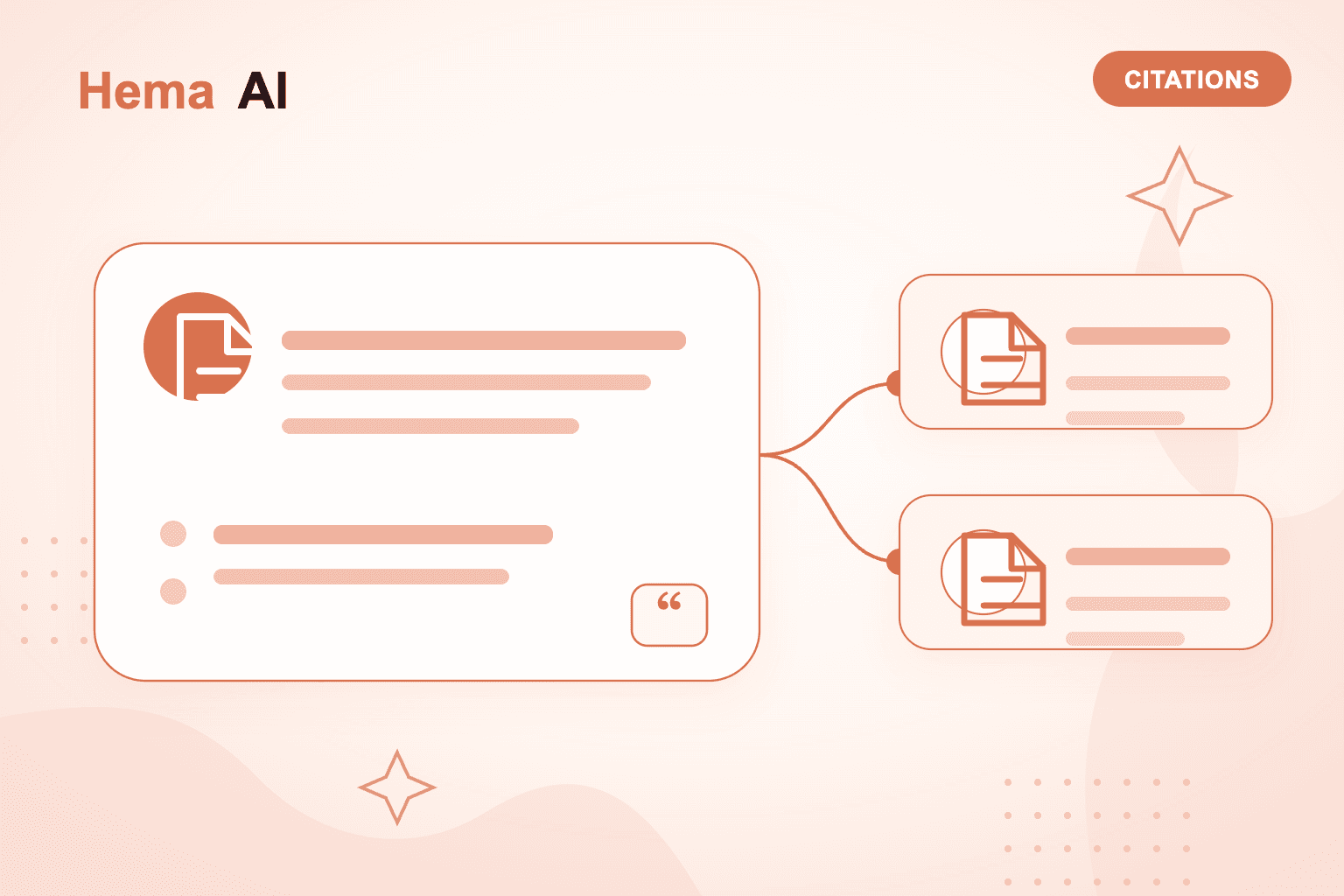
which sources cite each brand which domains appear repeatedly which sources mention competitors but not you which source types dominate the category which platforms rely on which sources
A competitor may win because they are listed in relevant directories, cited in comparison pages, or explained clearly by third-party content.
Citation analysis helps reveal why they are visible.
Step 5: Review Sentiment and Share of Voice
Competitor benchmarking is not only about appearance.
You also need to know how brands are described.
Track:
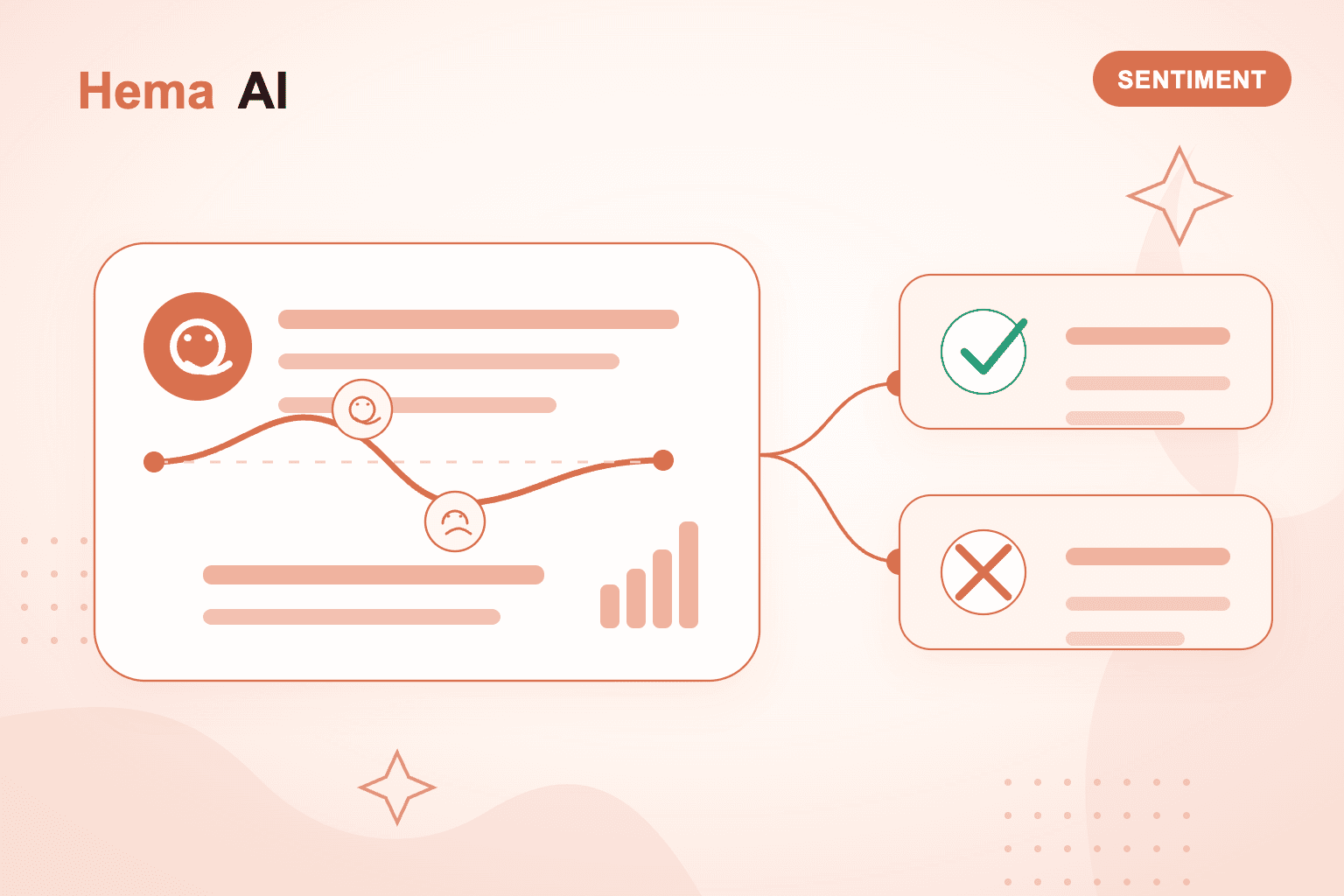
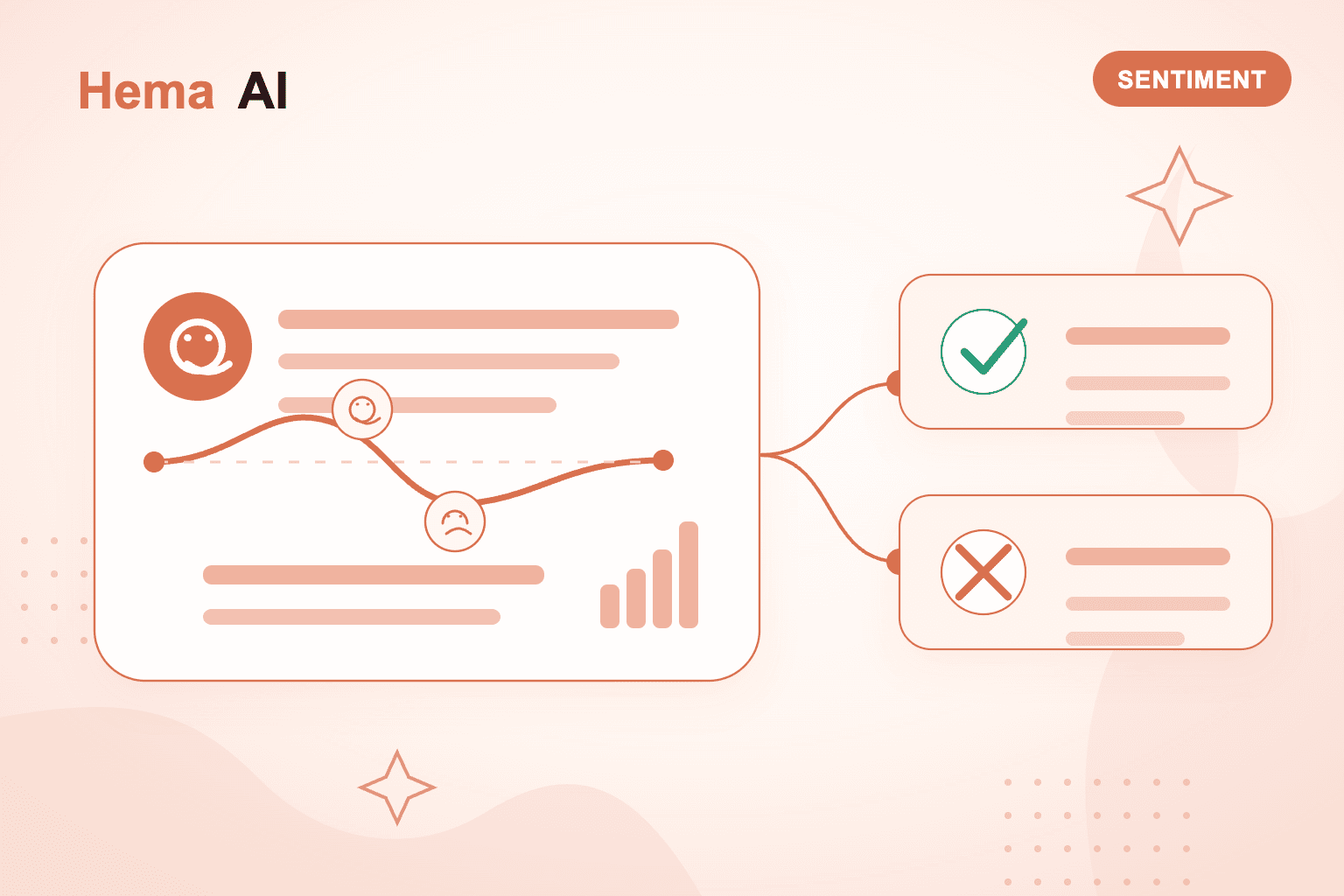
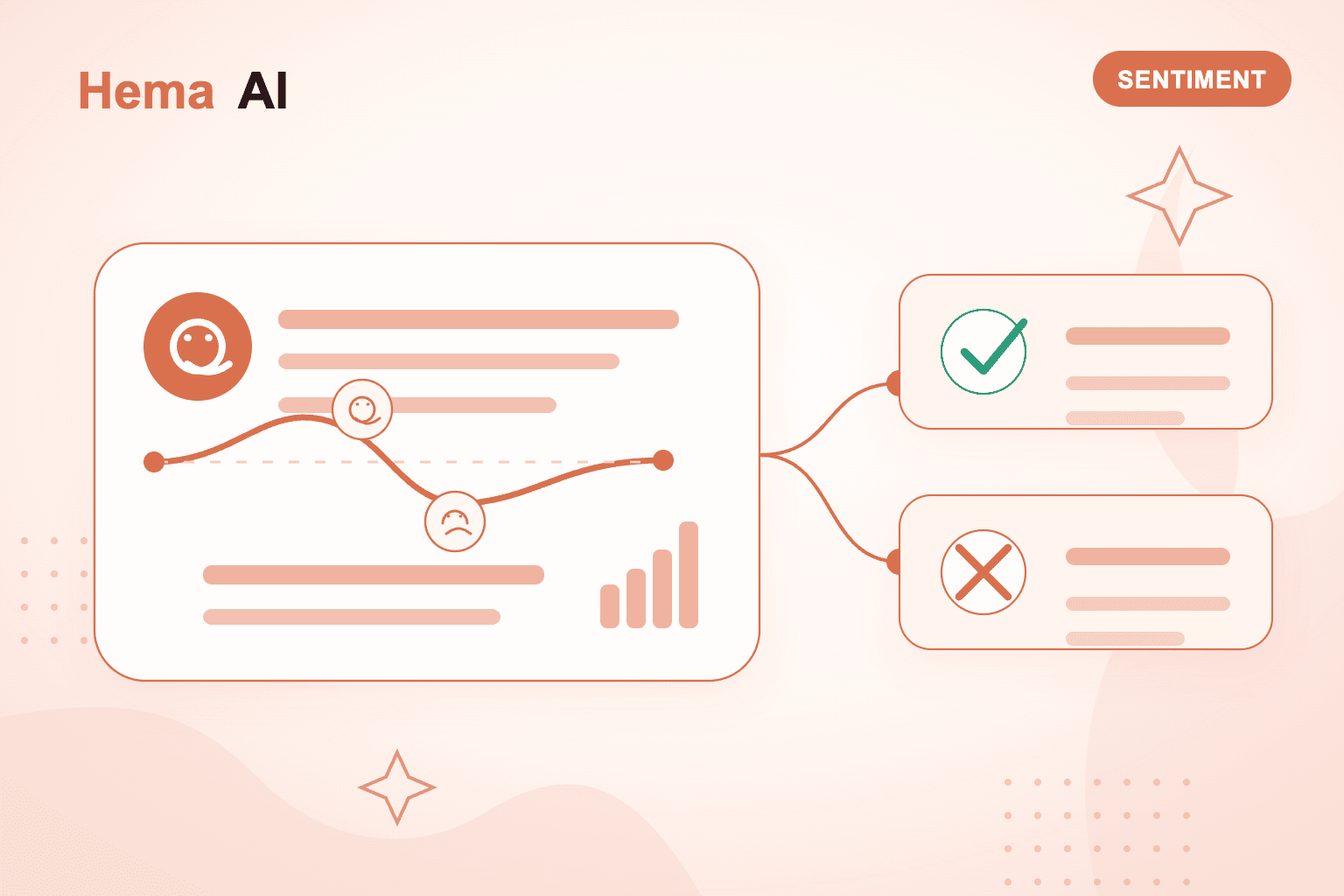
positive sentiment neutral sentiment negative sentiment brand strengths mentioned brand weaknesses mentioned share of voice source quality narrative patterns
For example, two brands may appear equally often, but one may be described more favorably.
That difference matters.
How Hema AI Helps Benchmark Competitors
Hema AI helps teams benchmark competitors across AI search platforms.
Teams can track:
- visibility score
- brand ranking
- share of voice
- competitor rankings
- mentions
- citations
- sources
- sentiment
- prompts
- query fanouts
- reports
This gives teams a clear view of who is winning attention inside AI answers and what gaps need attention.
See How AI Ranks Your Brand Right Now.
Run a free audit in 10 minutes. No credit card.
Frequently Asked Questions
No single metric is enough. Track visibility, ranking, share of voice, citations, sentiment, and prompt-level performance together.
Author
Hema AI
Hema AI helps teams track and improve how their brand appears across AI search platforms.