TL;DR
- Growth and AEO teams use Hema AI to understand whether the brand appears across AI search.
- Key metrics include visibility score, share of voice, brand ranking, mentions, citations, sentiment, prompts, competitors, and site health.
- Prompt gaps and query fanouts help teams find growth opportunities.
- Competitor movement shows where rivals are gaining attention.
- Reports help turn visibility data into action.
What Growth Teams Should Track
Growth teams need to know where the brand is gaining or losing attention.
In AI search, this means tracking:
Visibility score Share of voice Brand ranking Competitor ranking Prompt performance Query fanouts Mentions Citations Sources Sentiment Site health Content gaps
These signals help growth teams decide what to improve next.
Visibility Score and Share of Voice
Visibility score gives a baseline view of brand presence.
Share of voice shows how much of the AI conversation your brand owns compared with competitors.
Review both together.
If visibility score is low, your brand may be missing from important prompts.
If share of voice is low, competitors may be appearing more often.
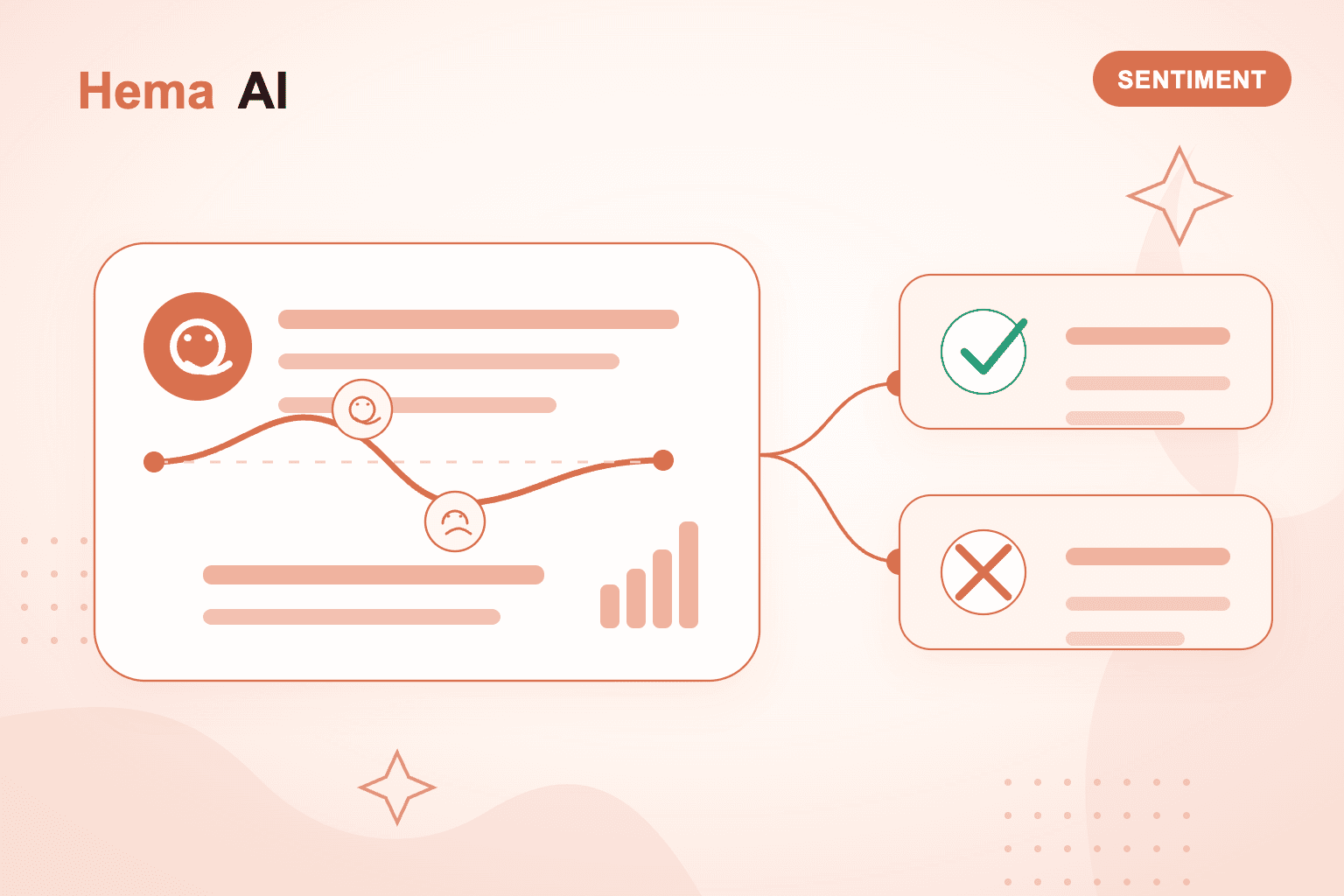
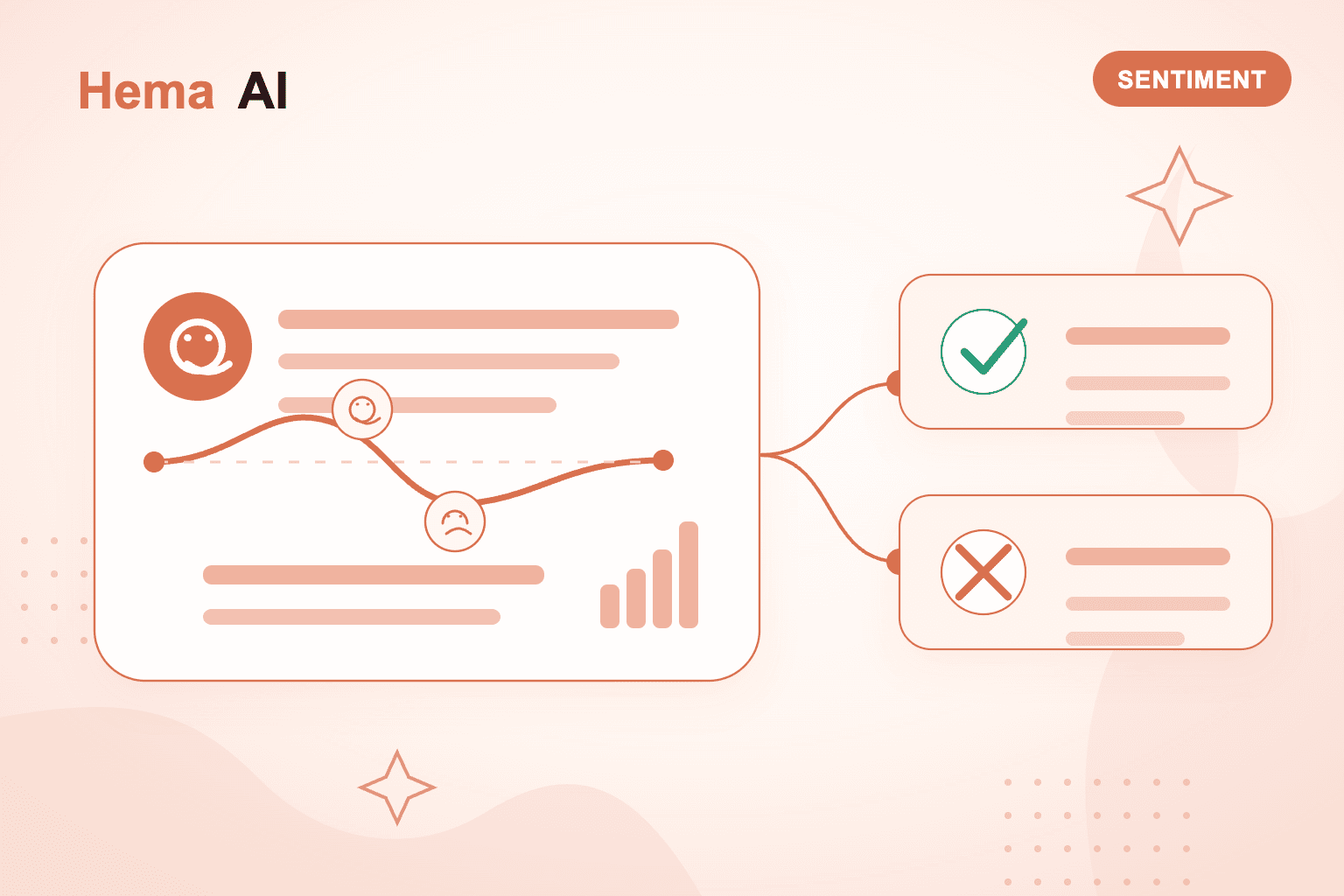
If sentiment is weak, the brand may appear but not be described strongly.
These metrics help prioritize action.
Prompt Performance
Prompts are the questions users ask AI platforms.
Growth teams should track:
category prompts comparison prompts alternatives prompts problem prompts pricing prompts industry prompts regional prompts
For each prompt, review:
Does our brand appear? Where does it rank? Which competitors appear? Which sources are cited? What is the sentiment? What content is missing?
Prompt-level data turns AI visibility into a practical growth workflow.
Competitor Movement
Competitors can gain visibility quickly.
Track:
ranking changes share of voice changes new competitor mentions source changes sentiment changes competitor-owned prompts
If a competitor rises, inspect the sources and prompts behind the movement.
This helps your team respond with content, site improvements, or source strategy.
Site Health and Issues
Site health affects AI discoverability.
Growth teams should review:
thin pages unclear pricing weak FAQs missing comparison pages hidden content poor structure missing internal links outdated information
Fixing these issues can improve how clearly AI platforms understand the brand.
Reports and Action Planning
Use Hema AI reports for weekly or monthly reviews.
A good growth report should include:
visibility score movement share of voice movement top competitors missed prompts citation gaps source gaps sentiment changes recommended actions
The report should end with clear priorities.
See How AI Ranks Your Brand Right Now.
Run a free audit in 10 minutes. No credit card.
Frequently Asked Questions
Weekly for active growth work, monthly for broader reporting.
Author
Hema AI
Hema AI helps teams track and improve how their brand appears across AI search platforms.